Why We Lost the Ritual of Dinner (and What Replaces It)
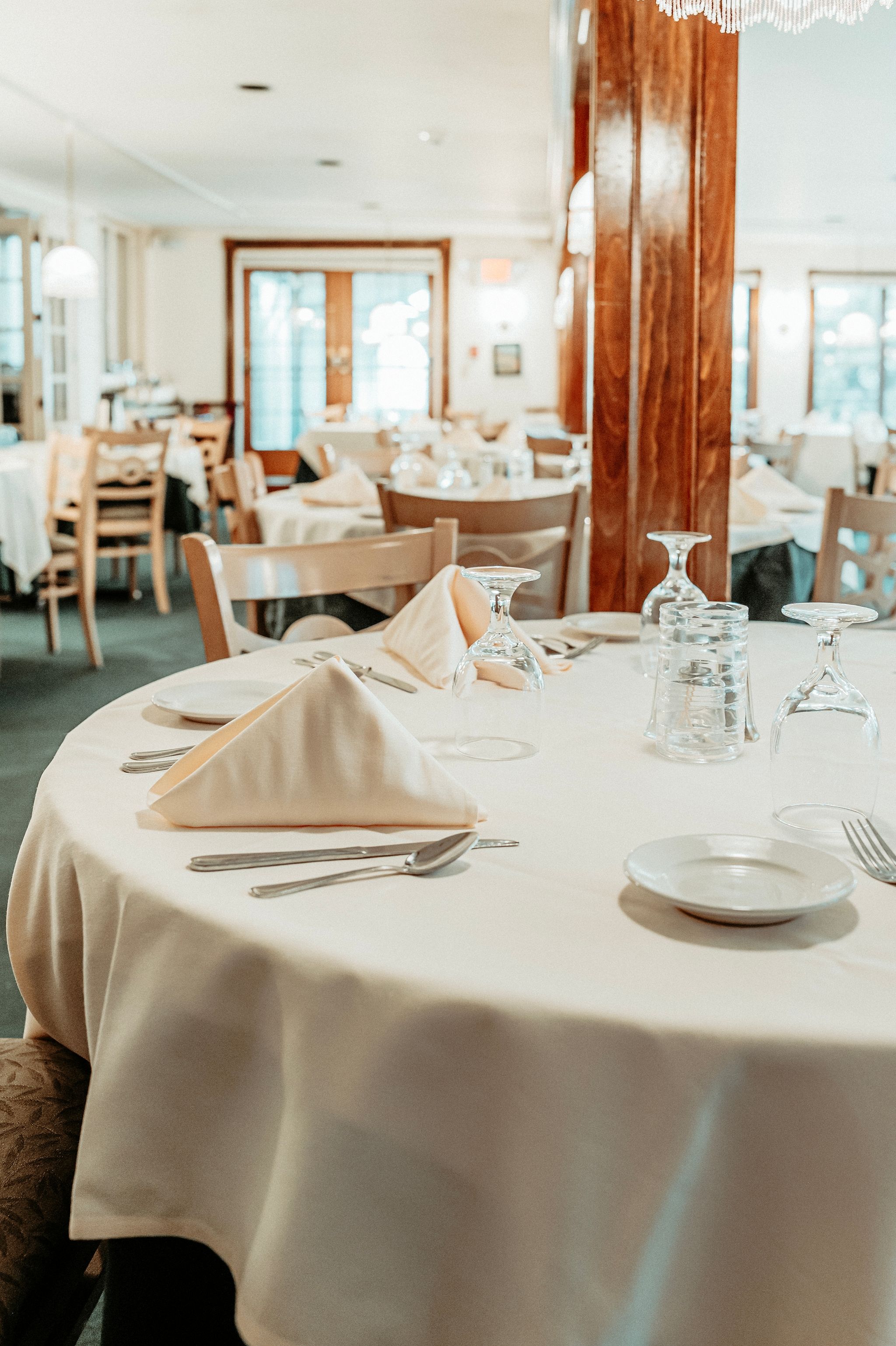
There was a time, not long ago but now strangely remote,when dinner was not simply a meal but an appointment with the day’s end. Itarrived with a certain inevitability. Evening gathered. Chairs were pulled out.Something simmered, or roasted, or at the very least required the attention ofhands. The table, however modest, marked a threshold: between work and rest,between public and private, between the scattered hours and a brief, deliberatetogetherness.
Dinner, in that older sense, was less about food than aboutsequence. You sat. You stayed. You moved through it in order. Even the smallestgestures the passing of salt, the clearing of plates had a choreography thatimplied time was not something to be optimized, but inhabited.
We did not lose this ritual all at once. It loosened. Itthinned. It became, first, flexible, then optional, then faintly aspirational.What replaced it did not announce itself as a replacement. It arrived disguisedas convenience.
The microwave was not the culprit; nor was the smartphone.These are easy villains, the sort that allow for tidy narratives. The realshift was subtler and more structural. Dinner required coordination ofschedules, of expectations, of appetite and coordination became the rarestcommodity in a culture that increasingly monetizes time by the fragment. Whenevery hour is porous, when work leaks into the evening and leisure back intothe afternoon, the idea of a fixed, shared pause begins to feel almostceremonial in the pejorative sense: rigid, inefficient, unnecessary.
And so dinner adapted to the logic of the moment. It becameportable. It became asynchronous. It became something you could hold in onehand while scrolling with the other. The table dissolved, not physically tablespersist, often quite beautifully but functionally. It is no longer the centerof gravity. It is, at best, a surface among many.
In this new arrangement, we have not stopped eatingtogether; we have merely changed the terms. The contemporary meal is less agathering than a convergence. People arrive at it from different timelines,carrying different days. One person reheats. Another orders in. A third grazes,intermittently, from a container that never quite leaves the counter.Conversation, if it occurs, is threaded between notifications, its rhythmdetermined less by appetite than by interruption.
What is striking is not that this feels deficient,many would argue it feels freer but that it lacks the closure dinner once provided. Theold ritual had a built-in ending. Plates were cleared. Chairs pushed back. Theday, in a quiet but decisive way, was over. Now, the boundary blurs. Workresumes. Screens glow. The evening stretches, unmarked, into night.
Yet rituals, like nature, abhor a vacuum. Something hasreplaced dinner. It is just harder to name.
Part of what has emerged is a constellation of smaller, moreindividualized rites. The post-work drink alone at a bar, where the bartenderbecomes a kind of secular confessor. The late-night snack consumed standing atthe refrigerator, a moment of private indulgence that feels oddly restorative.The shared streaming of a show, where the episode replaces the courses, eachcliffhanger a cue to continue. Even the act of ordering food scrolling throughmenus, comparing, choosing has taken on a ritualistic quality, a smallperformance of preference and control.
These are not lesser rituals; they are simply different.They reflect a shift from collective timing to personal pacing. Where dinneronce synchronized us, these newer practices allow us to remain slightly out ofsync, even in proximity. We are together, but not entirely aligned.
There is, however, a growing countercurrent. Not a return tothe past nostalgia is a poor architect but a reimagining of what a shared mealcan be under contemporary conditions. You see it in the resurgence of the longreservation, the kind that stretches across an evening rather than compressingit. You see it in the deliberate simplicity of certain gatherings: fewerdishes, fewer expectations, more attention. You see it, too, in the quietinsistence on phones placed face down, or left in another room, as if to saythat presence, like seasoning, is something that must be actively applied.
What these gestures suggest is not that we miss dinner as itwas, but that we recognize the absence of what it did. It offered a frame. Ittold us, without announcement, that this hour mattered in a different way thanthe others. In losing the ritual, we did not lose the food. We lost theagreement.
The replacements we have devised fragmented, flexible, oftensolitary are better suited to the tempo of modern life. They are efficient.They are adaptable. But they rarely insist on anything. They do not demand thatwe stop, only that we continue in a slightly different mode.
Perhaps that is why, when a true dinner does occur whenpeople gather, sit, and stay it feels, almost immediately, like an event. Notextravagant, necessarily, but distinct. Time thickens. Conversation lengthens.Even silence acquires a certain weight. The ritual, briefly restored, remindsus that eating together was never just about nourishment. It was aboutacknowledging, in the simplest possible way, that the day had an end, and thatwe were in it, together, for a while.